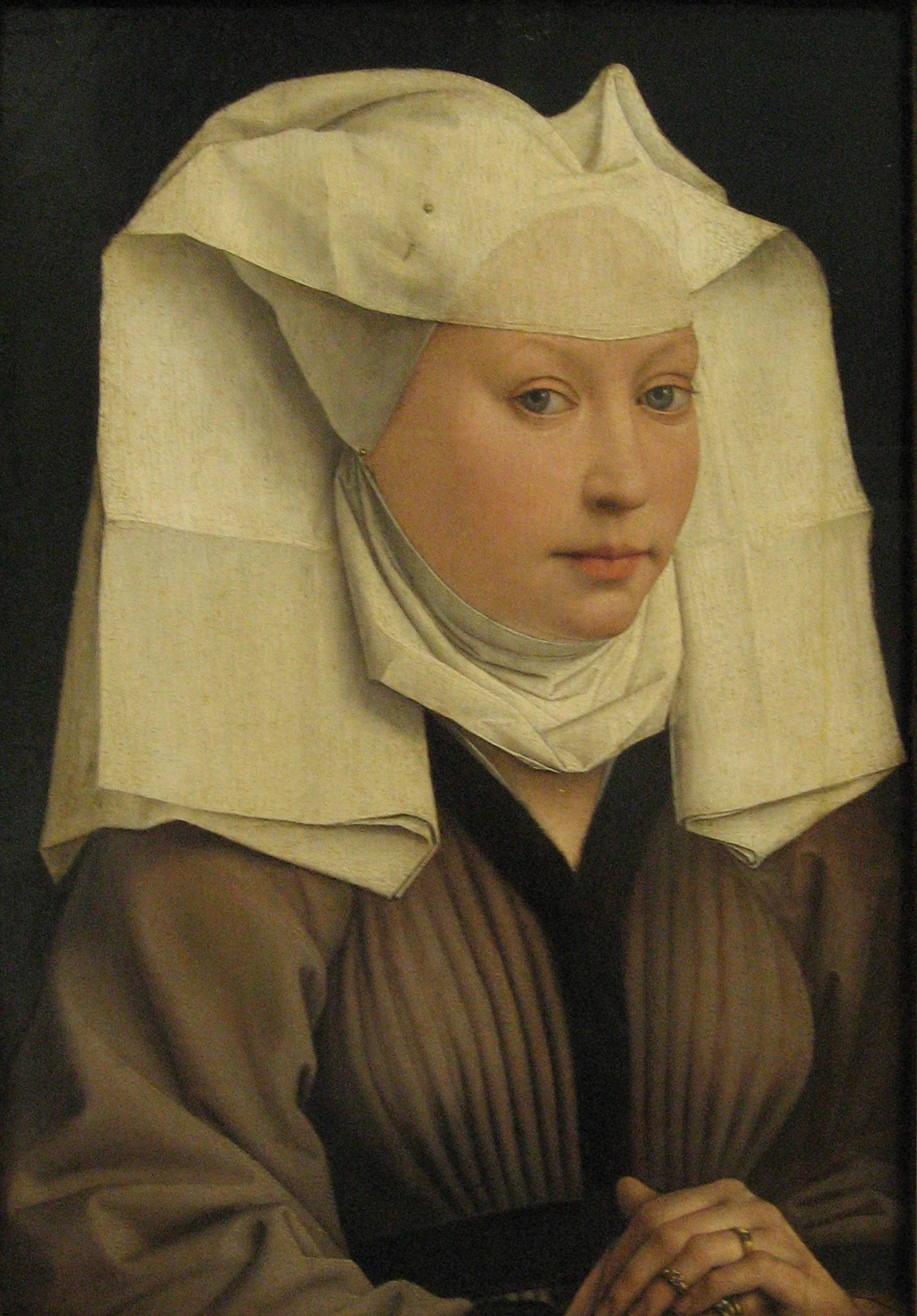
"The Lady Juliana was born about 1342, and when she was thirty years old, she became gravely ill and was expected to die. Then, on the seventh day, the medical crisis passed, and she had a series of fifteen visions, or "showings," in which she was led to contemplate the Passion of Christ. These brought her great peace and joy. She became an anchoress, living in a small hut near to the church in Norwich, where she devoted the rest of her life to prayer and contemplation of the meaning of her visions. The results of her meditations she wrote in a book called Revelations of Divine Love, available in modern English in a Penguin Paperback edition. During her lifetime, she became known as a counselor, whose advice combined spiritual insight with common sense, and many persons came to speak with her. Since her death, many more have found help in her writings."
James Kiefer at the Lectionary.
Readings:
Psalm 27:5-11 or 103:1-4,13-18
Hebrews 10:19-24
John 4:23-26
Preface of the Epiphany
PRAYER
Lord God, who in your compassion granted to the Lady Julian many revelations of your nurturing and sustaining love: Move our hearts, like hers, to seek you above all things, for in giving us yourself you give us all; through Jesus Christ our Lord, who lives and reigns with you and the Holy Spirit, one God, for ever and ever. Amen
From Julian's writings:
Faith is
nothing else but
a right understanding
of our being -
trusting
and allowing things to be;
A right understanding
that we are in God
and God
whom we do not see
is in us.
And this:
God feels great delight
to be our Father
and God feels great delight
to be our Mother
and God feels great delight
to be our true Spouse
and our soul the loved Wife.
Christ feels great delight
that He is our Brother
and Jesus feels great delight
that He is our Liberator.
These are five great joys
that God wants us to enjoy.
From Meditations With Julian of Norwich by Brendan Doyle.
UPDATE: The painting above is "Portrait of a Woman" by Rogier van der Weyden, c. 1430. It is very likely not Julian of Norwich, but it's a lovely painting. Since we have no portrait from life, why not? I've always been intrigued by the woman's headdress in the picture. Also, I have flipped it to the correct facing. A scholar I'm not, but I do try to tell the truth, when I know it. Thanks to a knowledgeable friend for the help in this.
Image from Wiki.